
BMEssentia Platform / Courses / Bio-Mechanics
Course: Engineering Sciences & Systems
Bio-Mechanics
Imagine understanding exactly how forces impact the body, how muscles generate motion, and how we can use this knowledge to prevent injuries, optimize athletic performance, and improve rehabilitation. This course gives you a comprehensive foundation in biomechanics, taking you through the physics of human movement and the forces at play in our bodies. You'll learn to analyze and apply biomechanics principles across a range of fields, from sports and therapy to medical device development. Each module will deepen your understanding of key concepts like kinematics, kinetics, and muscle.
12 chapters. Online and self-paced, in English, on the BMEssentia Platform.
What you will learn
- Kinematic Analysis of Human Motion: Master techniques to measure and interpret linear and angular movement, understanding how position, velocity, and acceleration relate to body mechanics
- Force Analysis in Human Movement (Kinetics): Develop skills in calculating and analyzing internal and external forces, essential for understanding muscle function, joint stress, and overall movement efficiency.
- Muscle Mechanics and Force Generation: Learn how muscles produce force through various contraction types (concentric, eccentric, isometric), and apply this knowledge to optimize movement and reduce injury risk.
- Joint Mechanics and Stability: Understand the structural properties of joints, including load-bearing capacity and range of motion, and how these factors contribute to stability and performance.
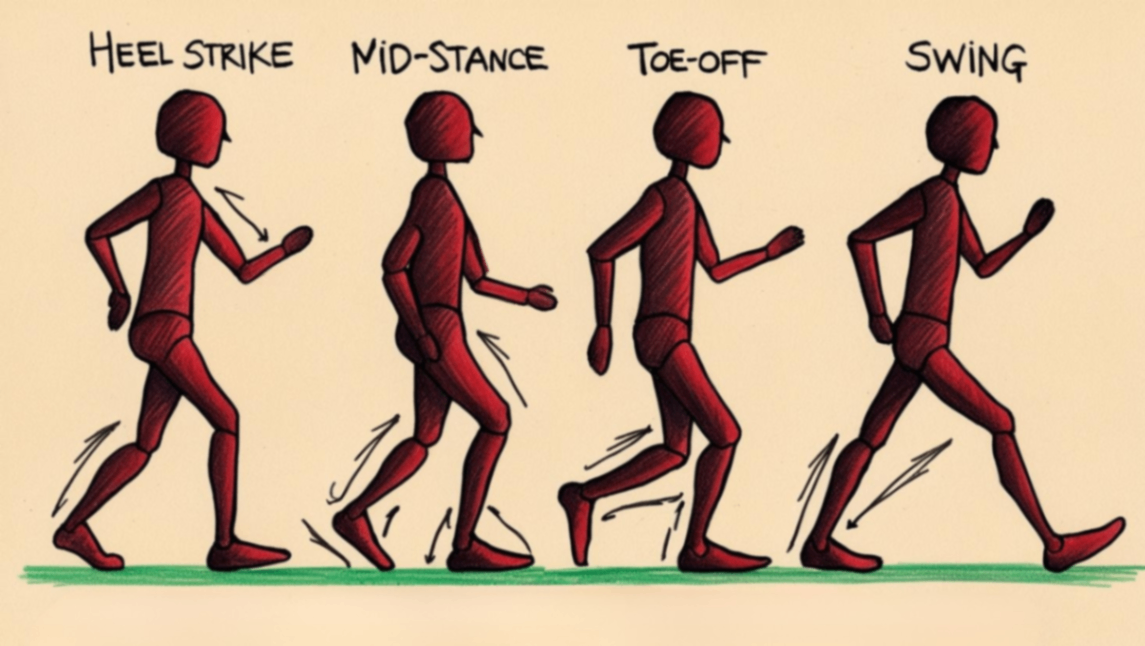
- Biomechanical Evaluation of Gait and Posture: Use gait analysis and posture assessment techniques to identify abnormalities and improve movement efficiency in clinical and athletic settings.
- Injury Mechanics and Prevention: Study the mechanics of common injuries, particularly in high-stress sports, and learn methods to reduce injury risk through movement optimization.
- Fluid Mechanics in the Cardiovascular System: Analyze blood flow, pressure, and resistance in the circulatory system, essential for understanding cardiovascular health and interventions.
- Biomechanics in Rehabilitation and Therapy: Apply biomechanics to create effective rehabilitation programs, using movement analysis to restore functional motion and prevent reinjury.
- Ergonomics and Applied Biomechanics in the Workplace: Use ergonomic principles to design safer, more efficient work environments, minimizing the risk of repetitive strain injuries
- Ethics and Practical Applications of Biomechanics: Explore the ethical considerations and practical implications of applying biomechanics in healthcare, sports, and technology development.
Modules
- Introduction to Biomechanics and History of Biomechanics
- Linear and Angular Kinematics
- Linear Motion, Work, Energy, and Power
- Fundamentals of Mechanics and Qualitative Analysis
- Anatomical Definitions and Muscle Structures
- Muscle Movements and the Skeletal-Muscular System
- Bone Physiology and Bone Fractures
- Structure and Mechanical Properties of Joints
- Mechanics of the Cardiovascular System
- Fluid Mechanics
- Biomechanics of Injury and Rehabilitation
- Human Motion Analysis
More courses
- Bio-Nanotechnology14 chapters
- Biomaterials14 chapters
- BioStatistics14 chapters
- Cell and Tissue Engineering14 chapters
- Chemistry of Life12 chapters
- Clinical Engineering14 chapters
Learn it properly, inside the Platform
22 courses, the 69-device library with 13 sections per device, BMEssentials and BMEssence guides and MedTech AI. Start with a 7-day free trial, no card.
Start the 7-day free trial