
BMEssentia Platform / Device library / Auditory Amplifiers
Device library
Auditory Amplifiers
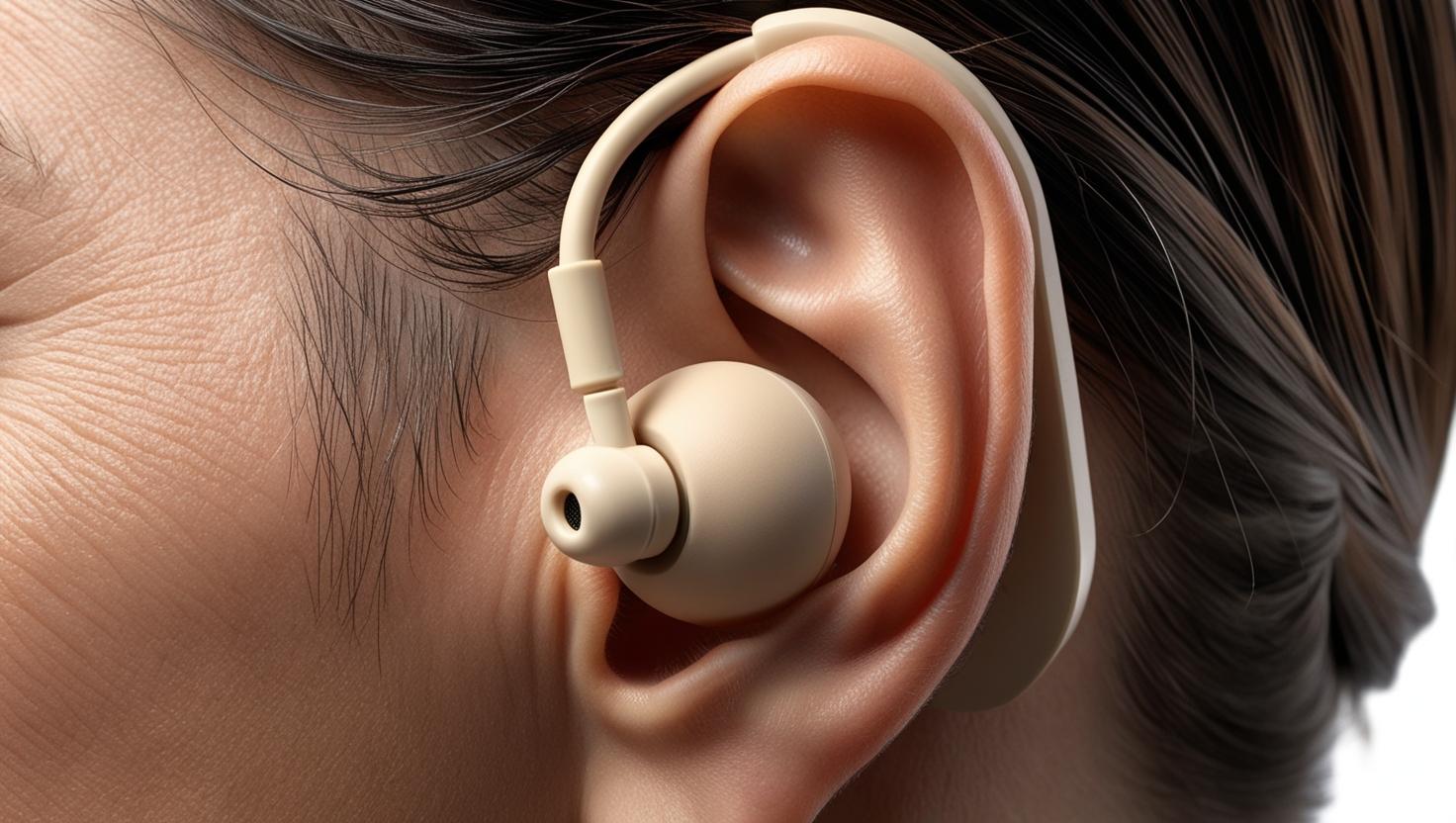
Auditory amplifiers, often confused with hearing aids, are personal sound amplification devices (PSAPs) designed to enhance sounds in everyday environments-without the medical calibration of prescription hearing aids. While modern hearing aids require FDA approval and audiologist fittings, amplifiers are available over-the-counter and can boost volume for activities like birdwatching or lectures. Surprisingly, some models now feature Bluetooth connectivity and noise reduction, blurring the line between amplifiers and basic hearing aids. The National Institute on Deafness estimates that nearly 30 million Americans could benefit from hearing assistance, yet only about 20% use proper devices..
The 13 sections, in brief
Short summaries of each section. The full lessons, images and quizzes are in the Platform.
Overview
Alternate Names: Auditory Amplifier, Personal Sound Amplification Device (PSAP) Digital Signal Processor (DSP): Analyzes and processes sound, allowing for advanced functions like noise reduction, feedback cancellation, and adaptive sound filtering.
Operations
The hearing aid operates by capturing sound from the environment, processing it to amplify certain frequencies (usually speech-related), and delivering the processed sound to the user's ear. 1. Microphone: Captures sound waves from the environment and converts them into electrical signals.
Importance
Improved Quality of Life: Hearing aids significantly improve the quality of life for individuals with hearing loss. By amplifying sounds, hearing aids allow users to engage in social activities, communicate more effectively, and remain aware of their surroundings. Improved hearing is essential for maintaining relationships, succeeding in work environments, and staying safe by hearing alarms or warning signals.
Physics
Physics Involved in the Auditory amplifier Device: Concept 1, The Principle of Acoustic Energy Capture and Controlled Amplification An auditory amplifier begins its work the moment sound waves leave a person's environment and reach its entrance port.
Features
Noise Reduction: Most modern hearing aids come equipped with noise reduction features that reduce background noise, allowing users to focus on speech or other important sounds. This is particularly beneficial in noisy environments like restaurants, social gatherings, or outdoor settings.
Applications
Before a hearing aid is prescribed, an audiologist conducts a hearing assessment to determine the level and type of hearing loss. This test typically includes pure-tone audiometry and speech audiometry. Based on the audiogram (a chart showing the patient's hearing thresholds at different frequencies), the audiologist can determine the type of hearing aid required.
Physiology
Hearing aids target the anatomy of the auditory system. The human ear is divided into three parts: the outer ear, middle ear, and inner ear. The hearing aid primarily interacts with the outer ear and middle ear, enhancing sound waves and ensuring they reach the inner ear effectively.
Safety
Although hearing aids are non-invasive devices, they still come with a few risks and safety considerations. Feedback and whistling: A poorly fitted hearing aid may cause feedback, resulting in a loud, high-pitched whistling sound. This can be irritating and uncomfortable for the user.
Advancements
Recent advances in hearing aid technology have introduced AI-powered hearing aids that automatically adjust to the user's environment. , restaurants, concerts, or outdoor settings). Machine learning: AI in hearing aids uses machine learning algorithms to detect changes in the environment and automatically adjust settings to deliver the best possible sound experience.
In Research
For individuals with profound hearing loss or deafness, cochlear implants are an alternative to hearing aids. While hearing aids amplify sounds, cochlear implants bypass damaged parts of the inner ear and directly stimulate the auditory nerve. Indications: Cochlear implants are typically recommended for people who do not benefit from hearing aids due to severe sensorineural hearing loss.
Logistics
Hearing aids, as a crucial device for individuals with hearing impairments, come with significant economic and logistical considerations that impact both accessibility and market dynamics. Cost of Hearing Aids: The cost of hearing aids can vary widely depending on the features, technology, and brand. On average, hearing aids can range from $1,000 to $6,000 per unit.
Alternatives
While hearing aids are the most common solution for addressing hearing loss, there are several alternatives, depending on the type and severity of hearing impairment: Cochlear Implants: For individuals with severe to profound sensorineural hearing loss who do not benefit from traditional hearing aids, cochlear implants are a common solution. These devices stimulate the auditory nerve, providing a sense of sound.
Ethical
Hearing aids, like other medical devices, raise a number of ethical considerations, particularly around accessibility, affordability, and the implications of emerging technologies. Accessibility and Affordability: One of the primary ethical issues related to hearing aids is their high cost, which prevents many individuals with hearing loss from accessing these devices.
Next: Autoclave. All 69 devices.
Learn it properly, inside the Platform
22 courses, the 69-device library with 13 sections per device, BMEssentials and BMEssence guides and MedTech AI. Start with a 7-day free trial, no card.
Start the 7-day free trial