
BMEssentia Platform / Courses / The Biomedical Engineering Blueprint
Course
The Biomedical Engineering Blueprint
Imagine harnessing the power of engineering to design life-saving devices, pioneer innovative diagnostics, and redefine the future of healthcare. This introductory course immerses you in the core concepts and skills of Biomedical Engineering, where biology and technology meet to solve critical medical challenges. From the principles of biomechanics and bioinstrumentation to the intricacies of medical imaging, you'll gain hands-on experience in creating technologies that meet real-world healthcare needs and elevate patient outcomes. Each module is carefully designed to deepen your expertise.
14 chapters. Online and self-paced, in English, on the BMEssentia Platform.
What you will learn
- Fundamental Knowledge of Biomedical Engineering Fields Explore biomechanics, bioinstrumentation, biomaterials, and tissue engineering, gaining an overview of the subfields and their applications in healthcare.
- Principles of Biomechanics in Device Design Learn how biomechanics influences device design, using concepts of force and motion to develop prosthetics, implants, and orthopedic tools.
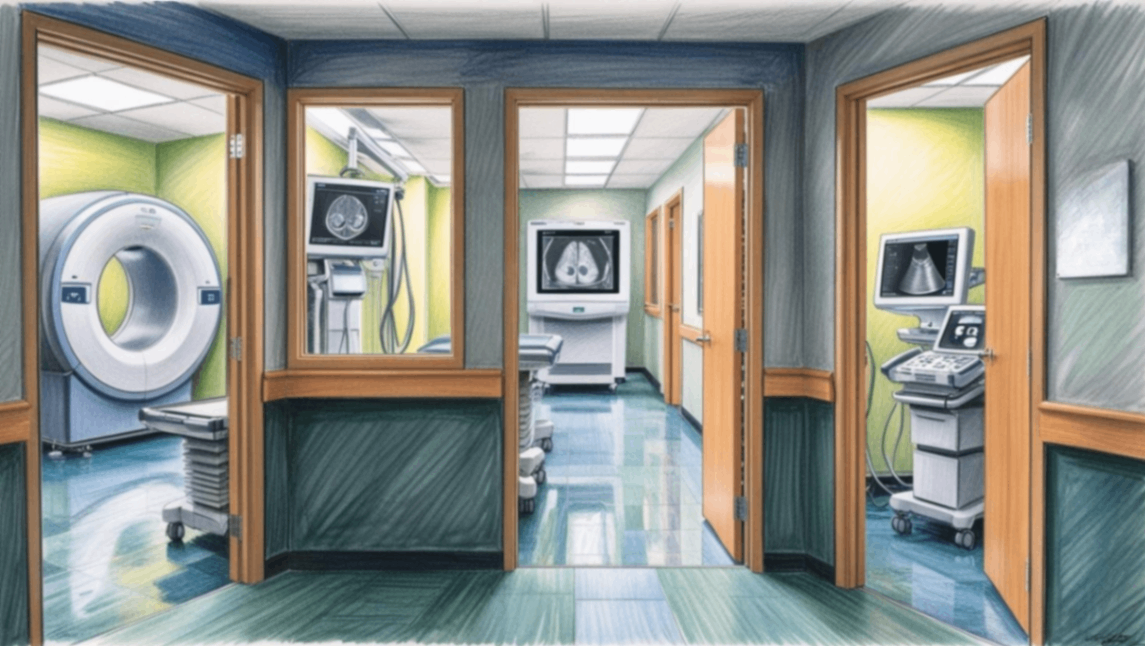
- Medical Imaging Technology Basics Understand the physics behind X-rays, MRIs, and ultrasounds, essential for creating and interpreting imaging technologies used in diagnostics.
- Bioinstrumentation for Signal Acquisition and Analysis Develop skills in measuring and analyzing physiological signals, such as ECG and EEG, vital for monitoring and diagnostics.
- Introduction to Biomaterials and Biocompatibility Study materials like polymers, metals, and ceramics, learning how to select biocompatible materials for implants and medical devices.
- Device Regulation and Compliance Knowledge Gain an understanding of FDA and CE mark regulations to ensure that devices meet safety and efficacy standards in clinical use.
- Essentials of Medical Device Maintenance and Calibration Learn the basics of equipment upkeep and calibration, ensuring the safe, accurate operation of devices in clinical settings.
- Human Physiology in Biomedical Applications Dive into human anatomy and physiology, focusing on how biomedical devices interact with and support bodily functions.
- Ethics and Risk Management in Biomedical Engineering Explore the ethical responsibilities of biomedical engineers, focusing on patient safety, privacy, and device reliability.
- Emerging Trends in Biomedical Engineering Stay updated on advancements like nanotechnology, wearable health tech, and personalized medicine, preparing you for a rapidly evolving field.
Modules
- Introduction to Biomedical Engineering
- Biomedical Equipment Technology
- Fundamentals of Physics in Biomedical Engineering
- Fundamentals of Mechanics in Biomedical Engineering
- Fundamentals of Biology in Biomedical Engineering
- Fundamentals of Human Physiology
- Electrical Fundamentals of Biomedical Engineering
- Biomedical Ethics
- Biological Signals
- Bioinstrumentation
- Biosensors
- Biomedical Optics
- Principles of Medical Imaging
- Clinical Engineering
More courses
- Bio-Mechanics12 chapters
- Bio-Nanotechnology14 chapters
- Biomaterials14 chapters
- BioStatistics14 chapters
- Cell and Tissue Engineering14 chapters
- Chemistry of Life12 chapters
Learn it properly, inside the Platform
22 courses, the 69-device library with 13 sections per device, BMEssentials and BMEssence guides and MedTech AI. Start with a 7-day free trial, no card.
Start the 7-day free trial