
BMEssentia Platform / Device library / Blood Pressure Monitor
Device library
Blood Pressure Monitor
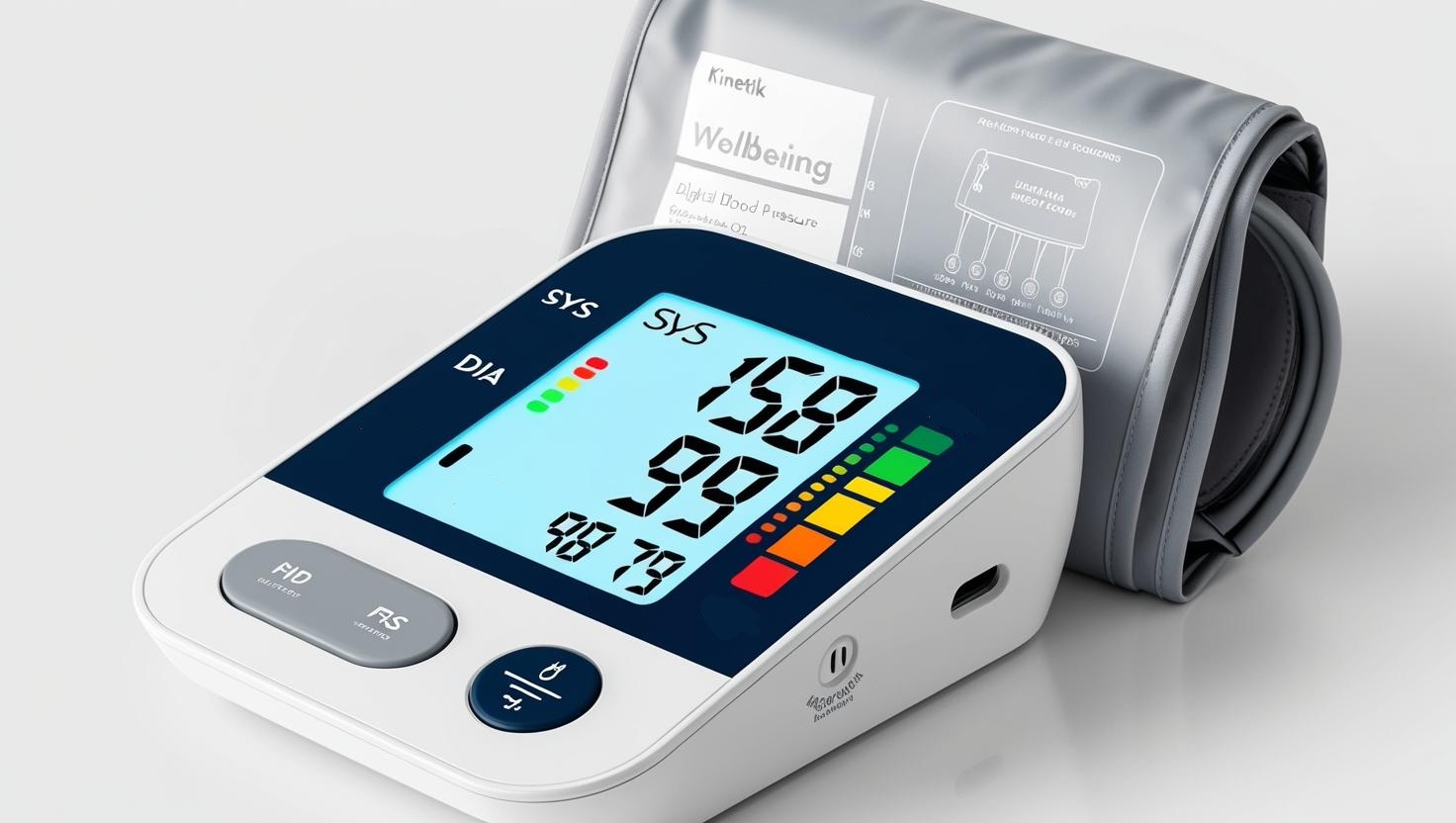
The first blood pressure measurement was performed in 1733 by English scientist Stephen Hales, who inserted a tube directly into a horse's artery-a far cry from today's non-invasive methods! Modern blood pressure monitors (sphygmomanometers) use an inflatable cuff and either a manual pump with a stethoscope (auscultatory method) or digital sensors (oscillometric method). The unit of measurement, mmHg (millimeters of mercury), dates back to early mercury-based devices. High blood pressure, or hypertension, is often called the "silent killer" because it usually has no symptoms but can lead to serious heart disease or stroke. Regular monitoring is crucial, as nearly half of all adults with.
The 13 sections, in brief
Short summaries of each section. The full lessons, images and quizzes are in the Platform.
Overview
A man of fifty-two arrives ten minutes late for his appointment. He has circled the car park twice, argued with a ticket machine and taken the stairs two at a time. He sits down heavily. His arms are thick. He does a physical job and always has. The nurse is running behind too. A standard cuff goes around his upper arm. It barely closes, so it is pulled tight and the fastener stretched to hold.
Operations
Follow the pressure from the cuff, into the artery, and back out to the number on the screen. It starts with the cuff. An inflatable bag, the bladder, sits inside a fabric sleeve wrapped around the upper arm. The bladder must sit over the brachial artery, the main artery running down the inside of the upper arm.
Importance
The first argument is about a disease that has no symptoms. High blood pressure is one of the largest preventable causes of death and disability in the world. It drives strokes, heart attacks, heart failure, kidney failure and dementia. It damages blood vessels quietly for years.
Physics
Physics Involved in the Blood pressure monitor Device: Concept 1, The Principle of Indirect Blood Pressure Measurement through Cuff Occlusion and Pulse Detection A blood pressure monitor is a precision instrument that listens to the rhythm of circulation through pressure and sound rather than light or direct contact with blood.
Features
The cuff, the part everyone overlooks and everything depends on Try this. Wrap a thin belt tightly around a thick tree branch and pull. Then wrap the same belt around a thin branch. The pressure you create under the belt is completely different, even though you pulled the same way.
Applications
Every use of this device is one of four things. Finding high blood pressure in people who feel perfectly well. Steering treatment once it is found. Guarding patients who are acutely unwell. And protecting groups whose blood pressure behaves differently, such as pregnant women, children and people on dialysis.
Physiology
The heart pumps in bursts, so pressure rises and falls with every beat. Arteries are elastic reservoirs that stiffen with age. The pressure wave changes shape as it travels from the heart to the arm. The body controls blood pressure constantly, so it never stands still. A cuff reveals pressure by closing an artery and watching it reopen. And disease changes both the pressure and the signals the cuff depends on.
Safety
The greatest danger of this device is not what it does to the arm, but what a wrong number does to the rest of a person's life. Most harm from blood pressure measurement comes from readings that look precise and are wrong. A high number from a rushed reading starts lifelong medicine. A low number from a wrong cuff hides a disease that will one day cause a stroke.
Advancements
Forget release years. This device has a clear shape: it moved from a finger on the pulse to a measurement outside the body, then from the human ear to a machine's algorithm, and finally out of the clinic into ordinary life, where it discovered that the clinic had been measuring the wrong moment.
In Research
Nobody knows how accurate most blood pressure readings in the world actually are Blood pressure is measured more often than almost anything else in medicine. Yet large numbers of the devices in use have never been independently validated, clinic devices are rarely checked against a reference, and the technique around each reading is rarely correct in full.
Logistics
An engineer who understands this device is useful. An engineer who understands that the cheapest box on the shelf is often unvalidated, that the cuff decides the accuracy, and that a monitor sold without a range of cuffs is sold incomplete, understands what is actually being sold.
Alternatives
An alternative is not a competing product. It is another way of answering the clinical question, and here the question is: what is the pressure in this person's arteries, how does it behave across their day and night, and what does it mean for their risk right now and over the years ahead?
Ethical
A reading that takes one minute can decide a lifetime of medicine. Blood pressure is the most common measurement in medicine, which makes its errors the most common errors. A small bias repeated across millions of readings becomes millions of wrong decisions. Choices about devices, cuffs and technique look technical. They decide who is treated, who is missed and who is harmed.
Previous: Blood Gas Analyzer. Next: Cardiac Monitor. All 69 devices.
Learn it properly, inside the Platform
22 courses, the 69-device library with 13 sections per device, BMEssentials and BMEssence guides and MedTech AI. Start with a 7-day free trial, no card.
Start the 7-day free trial