
BMEssentia Platform / Device library / Thermometer
Device library
Thermometer
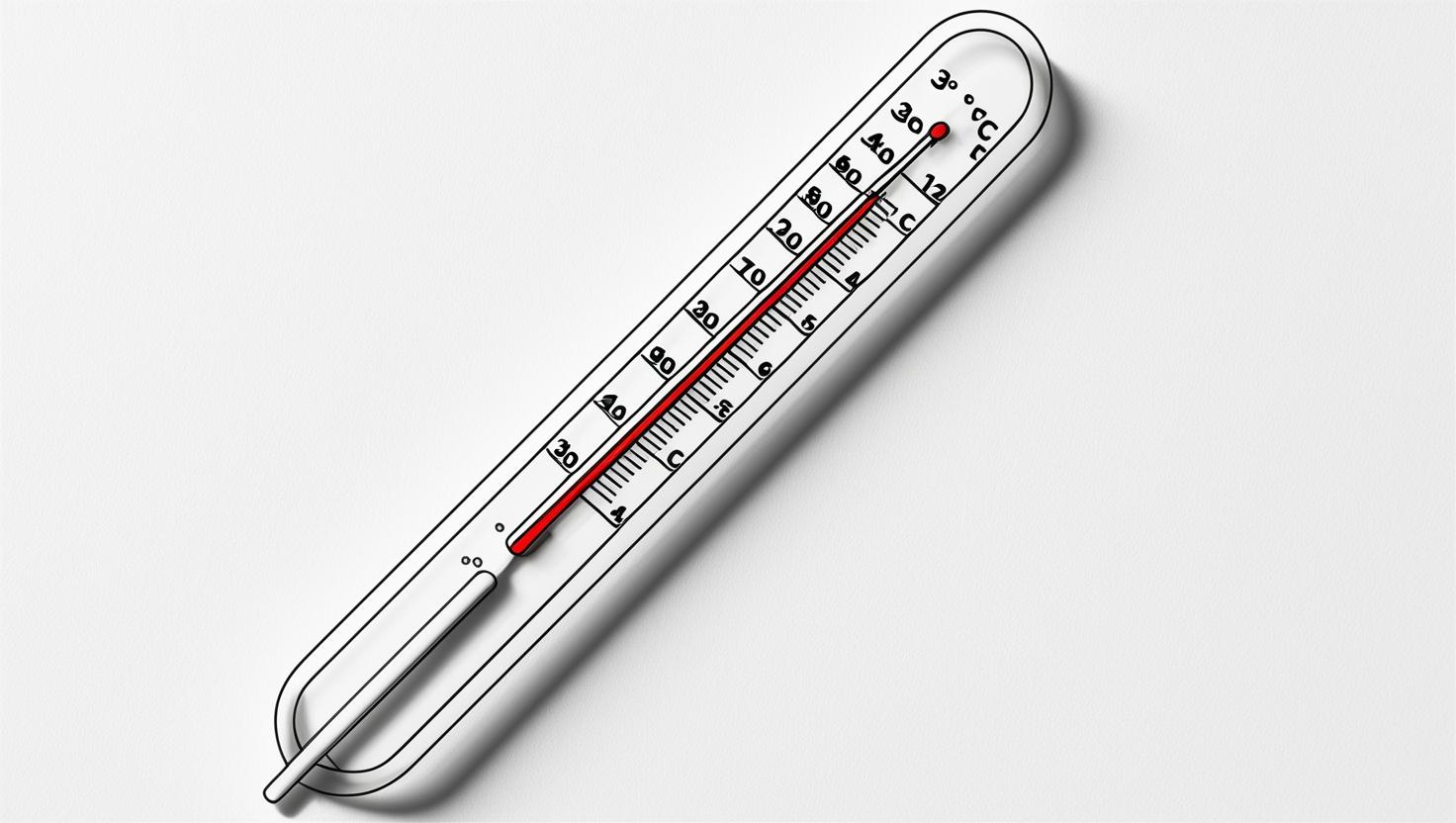
A thermometer is an instrument designed to measure temperature, which indicates the degree of hotness or coldness of a substance. The operation of a thermometer relies on a physical property of a substance that changes in response to temperature variations. In traditional liquid-in-glass thermometers, for instance, a fluid such as mercury or alcohol expands when heated and contracts when cooled, causing its level to rise or fall within a calibrated tube. Modern digital thermometers frequently employ electronic sensors like thermistors, which exhibit a change in electrical resistance with temperature. Another advanced type, the infrared thermometer, determines temperature by detecting and.
The 13 sections, in brief
Short summaries of each section. The full lessons, images and quizzes are in the Platform.
Overview
Full Name of the Device: Medical Thermometer Alternate Names: Digital Thermometer, Clinical Thermometer, Infrared Thermometer, Oral Thermometer, Tympanic Thermometer, Rectal Thermometer Digital Thermometer: A thermometer that uses a sensor tip to detect body temperature and displays the reading on a digital screen.
Operations
Thermometers operate by detecting and measuring the amount of heat generated by the body. 1. Digital Thermometers: These thermometers use a thermistor (a type of resistor whose resistance changes with temperature) or a thermocouple sensor to measure body temperature. The sensor, located at the tip of the thermometer, detects the body's heat when placed in contact with the skin or mucous membranes.
Importance
• Diagnosis of Fever and Infection: Thermometers are vital tools for diagnosing fever, which is one of the primary indicators of infection. Elevated body temperature signals that the body is fighting off an infection, whether bacterial, viral, or fungal. Fever is a key symptom in conditions like influenza, COVID-19, pneumonia, and sepsis.
Physics
Physics Involved in the Thermometer Device: Concept 1, The Principle of Thermal Equilibrium and Temperature Sensing in the Thermometer A thermometer is one of the simplest-looking medical instruments, yet inside that simplicity lies one of the most precise and elegant demonstrations of physics ever applied to human health.
Features
1. Oral Thermometers: These thermometers are placed under the tongue to measure core body temperature. Oral thermometers are commonly used for adults and older children, but they may not be suitable for younger children or patients who have difficulty keeping the mouth closed during the test. Readings are typically accurate, though eating or drinking shortly before the test can affect results.
Applications
The healthcare provider or individual first selects the appropriate type of thermometer based on the patient's age, health condition, and the required level of accuracy. For infants and young children, rectal thermometers are often preferred for their precision. For older children and adults, oral, tympanic (ear), or infrared (forehead) thermometers may be used.
Physiology
Thermometers measure body temperature, a vital sign that reflects the balance between heat production and heat loss in the body. Temperature is regulated by the hypothalamus, a part of the brain that acts as the body's thermostat. When the body's temperature rises above the normal range, it can be a sign of infection, inflammation, or other health conditions.
Safety
While thermometers are non-invasive and generally safe, there are several safety considerations to ensure proper use: • Choosing the Correct Method for the Patient: Certain thermometer methods are more appropriate for specific age groups and health conditions.
Advancements
• Smart Thermometers and Remote Monitoring: With advances in digital health, smart thermometers have emerged that can connect to smartphones or cloud-based systems via Bluetooth or Wi-Fi. These thermometers allow users to track temperature trends over time, and some can sync with mobile health apps to provide insights into fever patterns.
In Research
• Fever Monitoring in Clinical Trials: Thermometers are essential tools in clinical trials, particularly for testing the efficacy of vaccines, antipyretics (fever-reducing medications), and treatments for infectious diseases. Accurate temperature measurement is critical for determining whether a treatment is effective in reducing fever or preventing temperature spikes caused by an illness.
Logistics
• Infrared Thermometers for Mass Screening: The demand for fast, non-contact temperature measurement has driven the widespread adoption of infrared thermometers for large-scale public health screenings. These devices are now used in airports, schools, workplaces, and other public spaces to detect fevers and prevent the spread of infectious diseases.
Alternatives
• Fever Strips: Fever strips are small, adhesive strips that can be placed on the forehead to provide a quick, visual indication of body temperature. The strip changes color based on the temperature it detects, though the readings are less accurate than digital or infrared thermometers.
Ethical
• Access to Temperature Monitoring Devices: Access to thermometers, particularly in low-resource settings, is a key ethical consideration in global health. Fever is a common symptom of many infectious diseases, yet many low-income regions lack access to reliable temperature measurement tools.
Previous: The Anesthesia Machine. Next: Transcranial Doppler Ultrasound (TCD). All 69 devices.
Learn it properly, inside the Platform
22 courses, the 69-device library with 13 sections per device, BMEssentials and BMEssence guides and MedTech AI. Start with a 7-day free trial, no card.
Start the 7-day free trial