
BMEssentia Platform / Device library / Transcutaneous Electrical Nerve Stimulator (TENS)
Device library
Transcutaneous Electrical Nerve Stimulator (TENS)
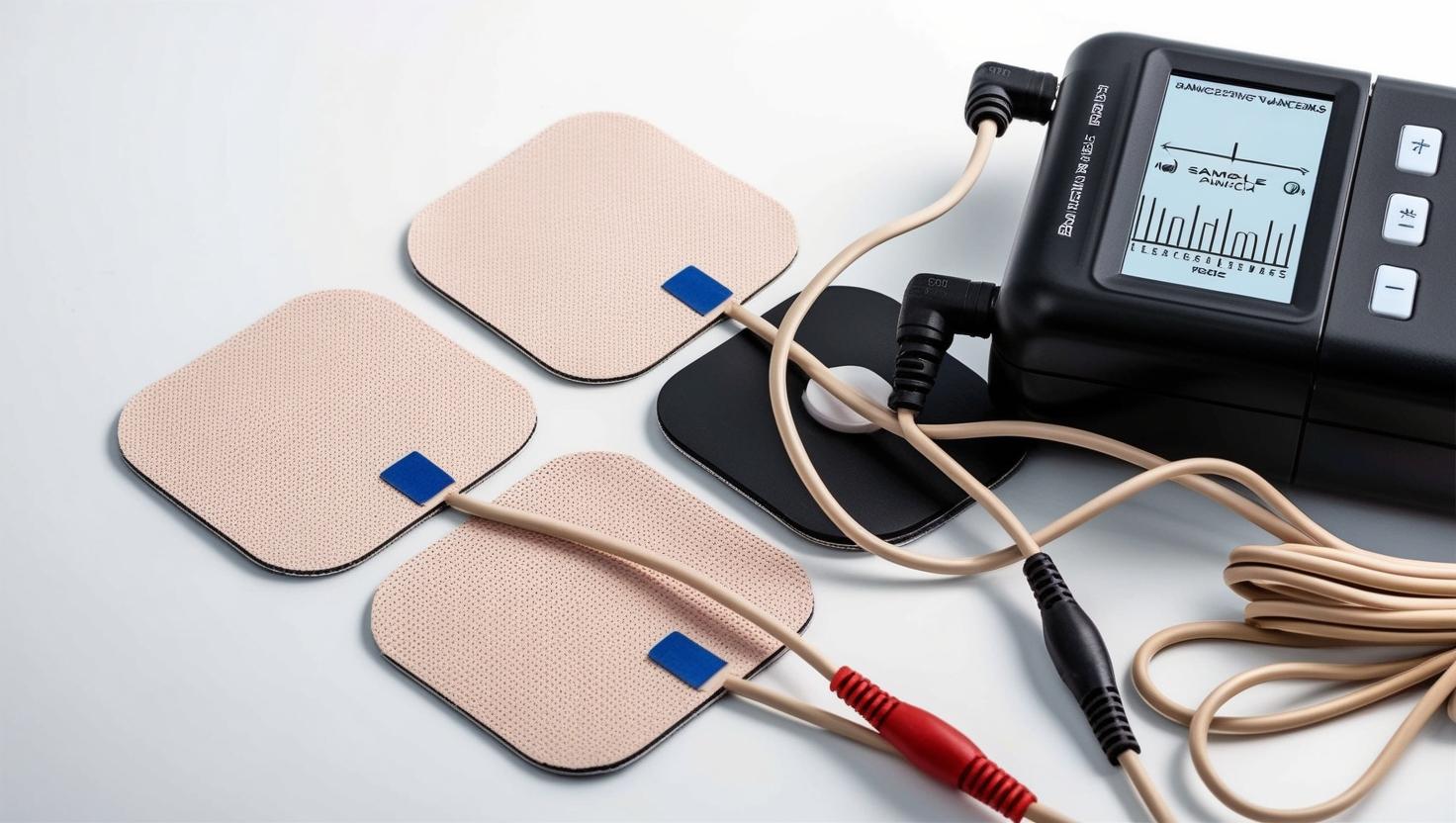
The Transcutaneous Electrical Nerve Stimulator (TENS) is a non-invasive pain relief device that delivers mild electrical currents through electrodes placed on the skin, blocking pain signals before they reach the brain. Inspired by the ancient use of electric fish for pain therapy, modern TENS units were developed in the 1970s based on the *Gate Control Theory of Pain*, which suggests that stimulating nerves can override discomfort signals. These pocket-sized devices are now widely used for chronic pain, muscle recovery, and even labor pain-with some models offering customizable intensity and pre-set programs. Surprisingly, studies show TENS may also boost endorphins, the body's natural.
The 13 sections, in brief
Short summaries of each section. The full lessons, images and quizzes are in the Platform.
Overview
Transcutaneous Electrical Nerve Stimulator (TENS) Electrical Stimulator, TENS Unit, Pain Relief Stimulator Gate Control Theory: A principle suggesting that stimulating non-painful nerves can close nerve "gates" to pain, preventing pain signals from reaching the brain.
Operations
The Transcutaneous Electrical Nerve Stimulator (TENS) works by sending low-voltage electrical currents through the skin to stimulate nerves and block pain signals. It operates on the principle of "gate control theory," which suggests that non-painful input (such as electrical stimulation) can close the nerve "gates" to painful input, preventing pain signals from reaching the brain.
Importance
The TENS device is an essential tool in modern pain management, offering several key advantages over traditional pain relief methods. Its non-invasive, drug-free nature makes it an attractive option for patients who seek pain relief without the side effects associated with medications such as opioids, non-steroidal anti-inflammatory drugs (NSAIDs), or muscle relaxants.
Physics
Physics Involved in the Transcutaneous Electrical Nerve Stimulation (TENS) Device: Concept 1, The Principle of Electrical Pulse Generation and Controlled Nerve Stimulation in TENS Therapy A Transcutaneous Electrical Nerve Stimulation (TENS) device is a small, portable system that sends gentle electrical impulses through the skin to stimulate nerves and relieve pain.
Features
The Transcutaneous Electrical Nerve Stimulator (TENS) has several unique features that make it effective for pain management. These features allow for customized treatments tailored to the individual's specific pain condition, intensity, and location. One of the most significant features of the TENS device is the ability to adjust the frequency and intensity of the electrical impulses.
Applications
Working Premise and Procedure (Step-by-Step) The Transcutaneous Electrical Nerve Stimulator (TENS) device is a non-invasive method used primarily for pain relief by delivering small electrical impulses through the skin to stimulate the nerves. The procedure for using a TENS device is straightforward but involves specific steps for optimal results.
Physiology
The TENS device primarily interacts with the nervous system to manage pain. To understand how TENS works, it's essential to explore the relevant anatomical and physiological aspects. TENS devices stimulate peripheral nerves, which are responsible for transmitting sensory information (including pain signals) from the body to the central nervous system (CNS).
Safety
While TENS is generally considered a safe and non-invasive therapy, there are several important safety considerations and contraindications to be aware of. Patients with pacemakers, defibrillators, or other implanted electronic devices should not use TENS unless cleared by their healthcare provider.
Advancements
One of the most significant advancements in TENS technology is the development of wireless and portable units. These devices offer greater convenience and flexibility for patients who need to manage chronic pain while maintaining an active lifestyle. Wireless TENS units typically connect to smartphones via Bluetooth, allowing patients to adjust settings through a mobile app.
In Research
The Transcutaneous Electrical Nerve Stimulator (TENS) works by sending low-voltage electrical currents through the skin to stimulate nerves and block pain signals. It operates on the principle of "gate control theory," which suggests that non-painful input (such as electrical stimulation) can close the nerve "gates" to painful input, preventing pain signals from reaching the brain.
Logistics
The TENS device primarily interacts with the nervous system to manage pain. To understand how TENS works, it's essential to explore the relevant anatomical and physiological aspects. TENS devices stimulate peripheral nerves, which are responsible for transmitting sensory information (including pain signals) from the body to the central nervous system (CNS).
Alternatives
While Transcutaneous Electrical Nerve Stimulation (TENS) is a popular non-invasive pain relief method, there are several alternative treatments available depending on the type and severity of pain being treated: Pain Medications: Over-the-counter (OTC) pain relievers such as acetaminophen, ibuprofen, and naproxen are common for treating mild to moderate pain.
Ethical
TENS units are relatively affordable and accessible compared to more invasive treatments. However, access to TENS therapy may still be limited in low-resource settings or for individuals who cannot afford the devices. Ensuring equitable access to TENS units and related treatments remains a challenge, particularly for underserved populations.
Previous: Transcranial Doppler Ultrasound (TCD). Next: Transesophageal Echocardiography (TEE) Probe. All 69 devices.
Learn it properly, inside the Platform
22 courses, the 69-device library with 13 sections per device, BMEssentials and BMEssence guides and MedTech AI. Start with a 7-day free trial, no card.
Start the 7-day free trial